

5 Ways To Prevent Mold Growth In Your Home
Mold growth is often a sign that excess moisture is entering or staying inside your home. While mold can appear in many areas, the root cause is usually tied to humidity, poor ventilation, water intrusion, or drainage issues.
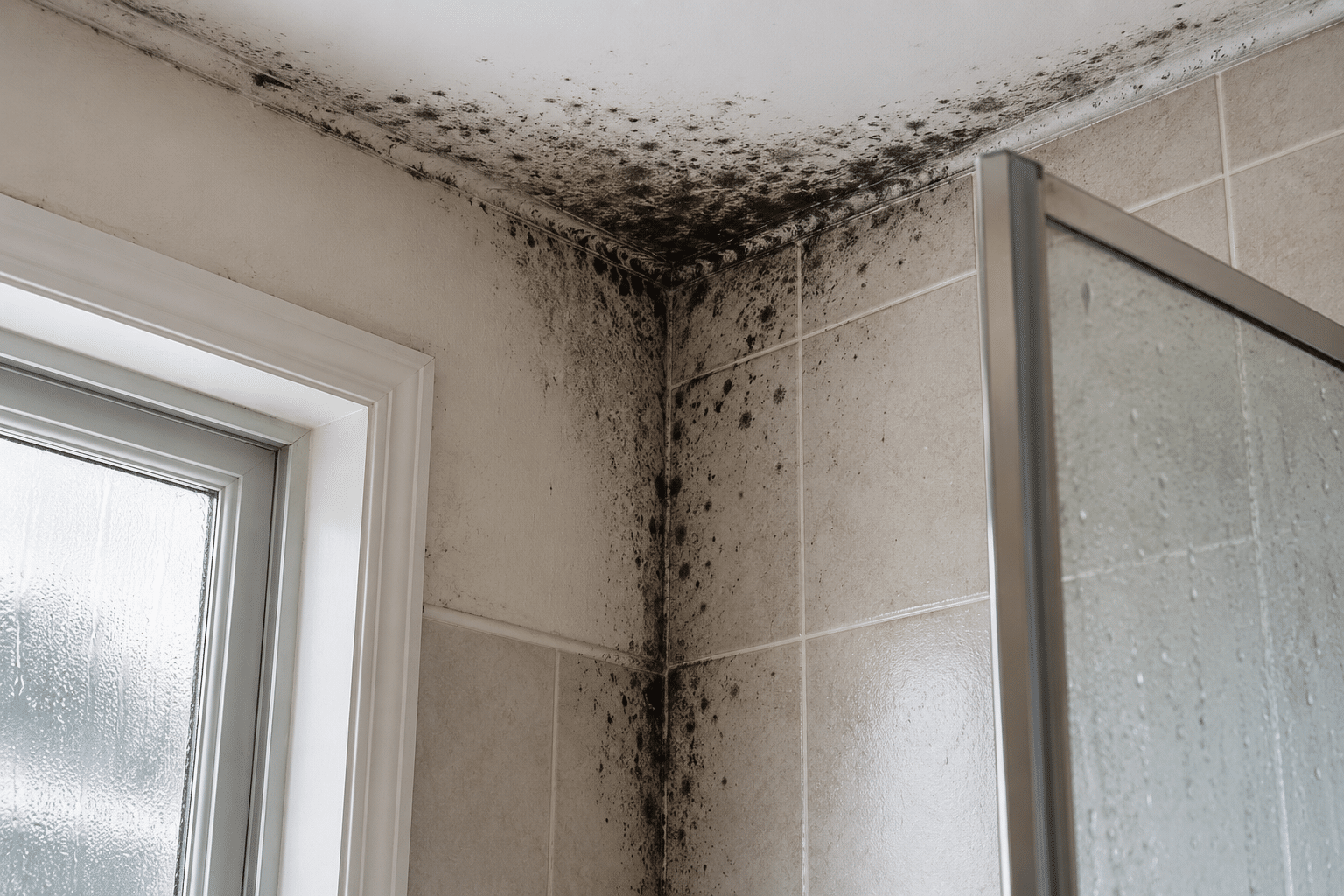
Bathrooms are one of the most common places homeowners notice mold because warm, moist air can linger after showers and baths. However, moisture problems are not limited to bathrooms. Mold can also form in attics, basements, around windows, behind siding, and near areas where water is not being properly directed away from the home.
If you have noticed mold growing in your bathroom or musty smells in other parts of your home, it is worth looking at the bigger picture. The sooner excess moisture is addressed, the easier it is to reduce the risk of mold growth and protect your home from more costly repairs.
1. Control Indoor Humidity
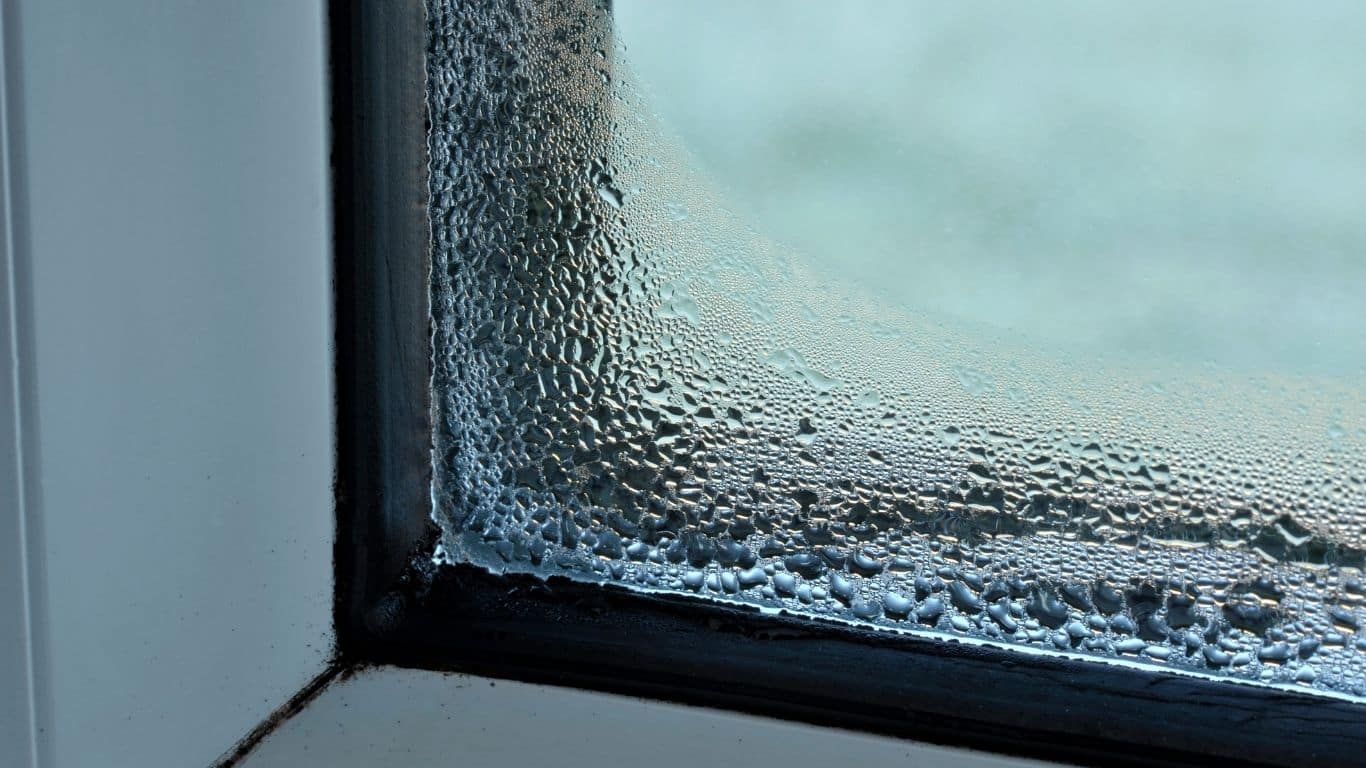
Indoor humidity should generally stay below 50%. When humidity levels are too high, condensation can form on windows, walls, and other surfaces. Over time, this moisture can create conditions where mold can grow.
Old windows, aging doors, and poor sealing can make humidity harder to control. If you notice condensation on your windows, drafts, or moisture near openings, it may be time to evaluate your home’s windows and doors.
Improving window performance and sealing air leaks can help regulate indoor humidity and reduce excess moisture. Learn more about common causes of drafty windows or explore our replacement window solutions.
2. Get And Maintain Gutters
Gutters play an important role in moving roof water away from your home’s foundation. Without a working gutter system, thousands of gallons of water can collect near your siding, basement, and foundation.
Clogged gutters can also overflow and send water behind siding or toward basement walls. This creates moisture problems that can lead to mold growth if left unaddressed.
Learn About The Issues Caused By Clogged Gutters:
3. Pay Attention To Your Attic
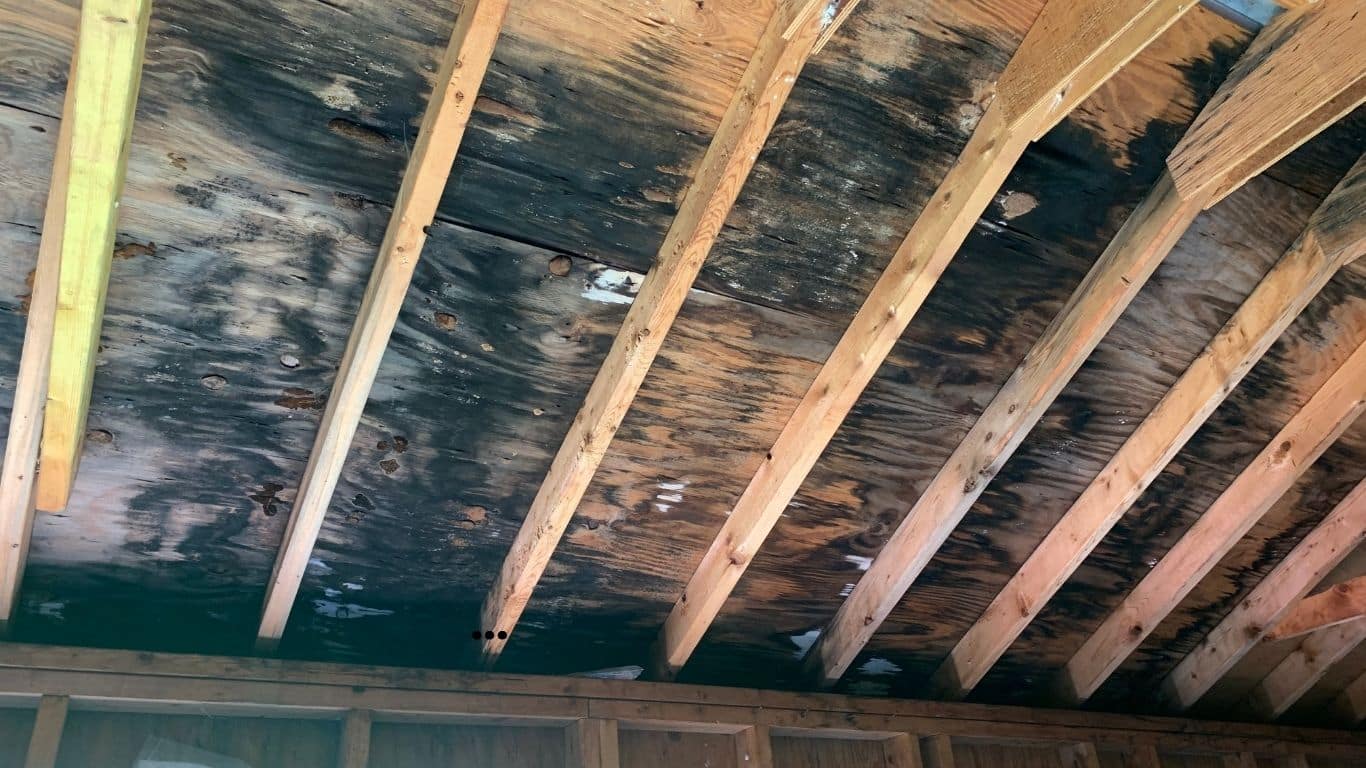
During the summer, high heat and trapped humidity can make an attic feel like a greenhouse. Without proper attic ventilation, moisture can collect and create conditions where mold can grow on insulation, roof decking, and framing.
If your attic feels excessively hot, smells musty, or shows signs of moisture, it is worth having the space inspected.
4. Check Where Exhaust Fans Vent
Bathroom and kitchen exhaust fans are designed to remove warm, moist air from your home. However, they need to vent completely outside.
If exhaust fans vent into the attic instead, that moisture can become trapped. Always run bathroom fans during and after showers and use kitchen ventilation while cooking.
Learn three ways to improve indoor air quality.

5. Inspect Your Basement
Basements are especially vulnerable to moisture problems. Foundation cracks, damp spots, and water stains can all be warning signs that water is finding a path inside.
Before spring rain saturates the soil around your home, inspect your basement walls and floors. If you notice cracks or moisture, a professional can help identify the source and recommend a plan to stop water intrusion.
Learn More From Andy Lindus About Mold Prevention:
Get Help Preventing Moisture Problems
Mold prevention starts with controlling moisture. Lindus Construction helps homeowners in Minnesota and Wisconsin evaluate problem areas including gutters, windows, doors, insulation, attic ventilation, and basement moisture concerns.
Contact us today to schedule an inspection and learn how to better protect your home.


