

Signs Your Home’s Windows Were Installed Incorrectly
Home window replacement is not typically a DIY project. Proper window installation plays an important role in preventing air leaks, moisture intrusion, drafts, and premature damage around the window opening.
Choosing a reputable and experienced contractor can also help protect the manufacturer’s warranty and ensure the entire window opening is evaluated before the new window is installed.
So, how can you tell if replacement windows were installed incorrectly? Here are several warning signs homeowners should watch for.
Careless Caulking
Caulking around replacement windows helps create a finished appearance while also helping prevent air and water infiltration.
If the caulking around a newly installed window looks sloppy, uneven, incomplete, or already appears to be separating, it may indicate that other installation details were overlooked as well.
Poor sealing around the window can also contribute to drafts and higher heating and cooling costs.

Air Infiltration
If you begin feeling drafts after your replacement windows are installed, the problem may be related to the installation rather than the window itself.
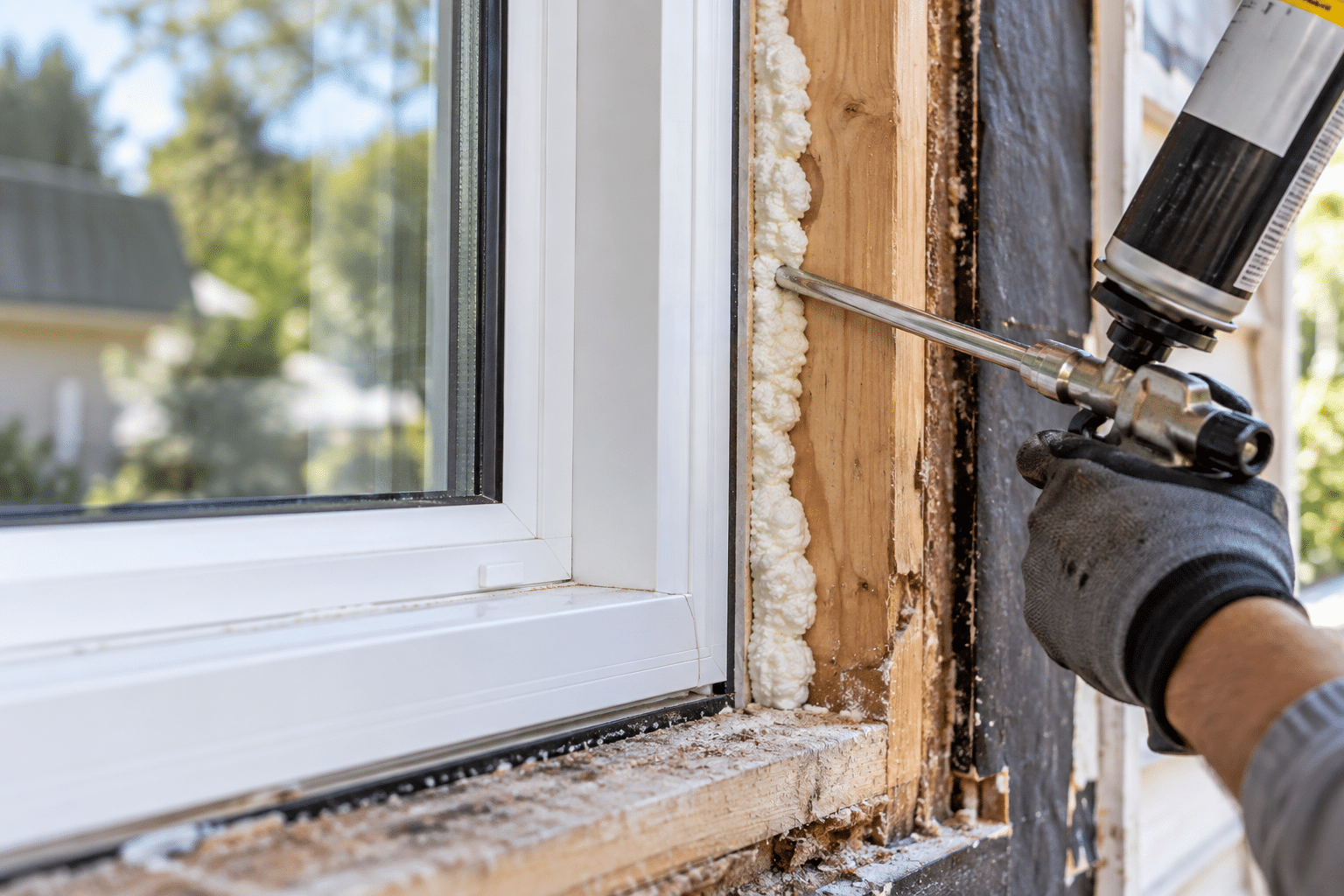
Common window installation problems can include excessive space between the window and rough opening or an inadequate amount of foam insulation around the perimeter of the window.
When the area around a replacement window is not properly insulated and sealed, outside air can move through gaps around the window frame. Over time, this can affect comfort and contribute to higher energy costs.
Windows That Are Difficult to Open or Close
Replacement windows should operate smoothly after installation. If a new window is difficult to open, close, lock, or keep in position, the window may not have been installed square, level, or plumb.
Operational problems should be evaluated rather than assumed to be a normal part of having new windows.
Water Infiltration Around the Window
One of the most serious signs of improper window installation is moisture getting into the wall system around the window.
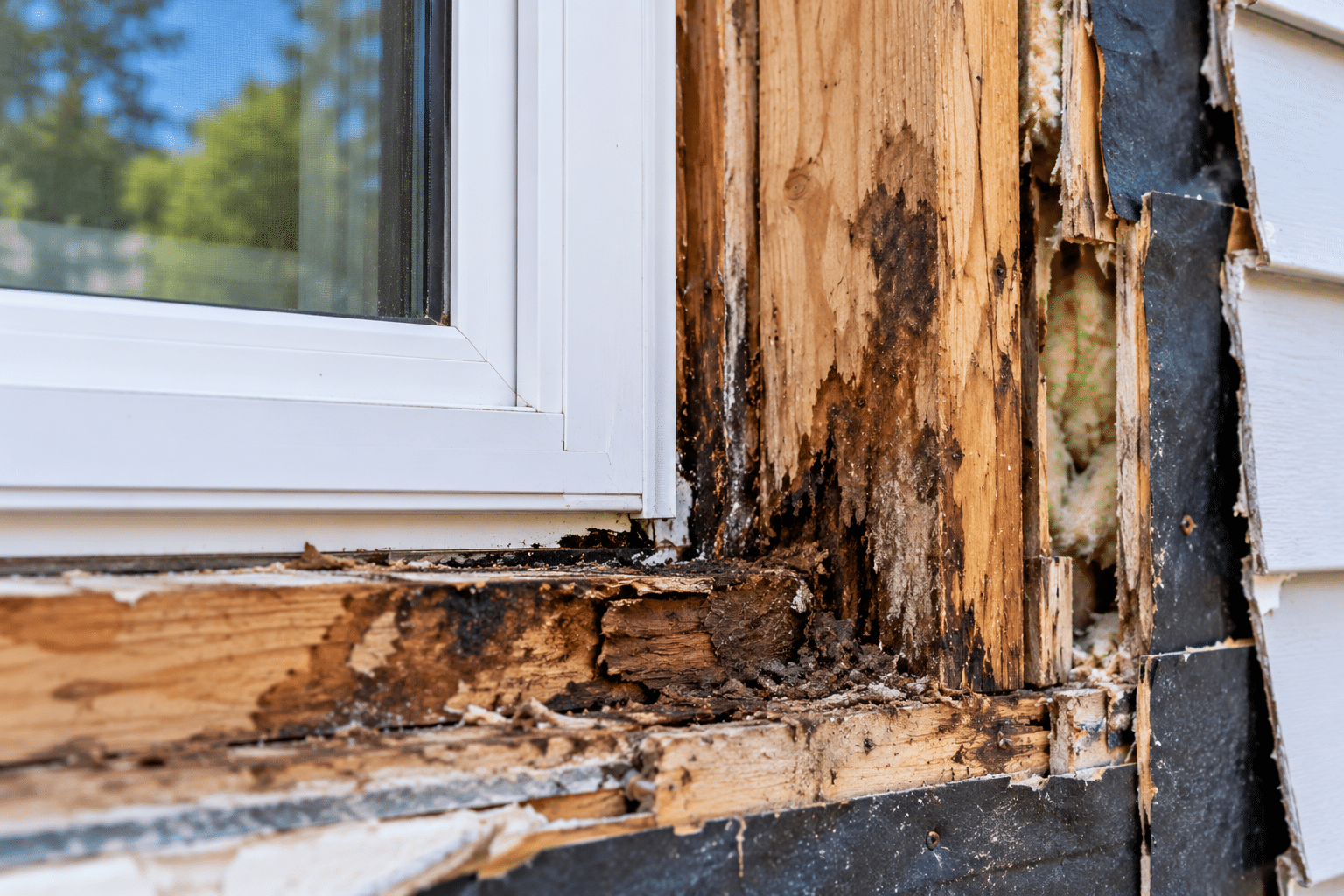
Improperly installed replacement windows can allow water to get behind siding, exterior trim, or the window itself. Because much of this damage can occur inside the wall system, homeowners may not immediately see the problem from inside their home.
Over time, trapped moisture can contribute to deteriorating building materials, wood rot, peeling finishes, mold growth, and more extensive repairs.
What Can Go Wrong When Replacement Windows Are Installed Incorrectly?
During this window inspection, the Lindus Construction team found signs of moisture intrusion, deteriorating materials, and installation issues that could allow water to become trapped behind the home’s exterior.
The inspection also shows why simply covering the damaged area or installing another replacement window without addressing the underlying problem may not provide a long-term solution.
Visible Gaps Around the Window
Visible gaps between the window frame, sill, trim, or surrounding materials can be another sign of improper window installation.
These gaps may indicate that the window opening was not properly measured, prepared, insulated, or sealed before installation.
Even small gaps can create opportunities for air or moisture to enter around the window.
Foggy Window Panes
Fog or condensation trapped between panes of glass usually indicates that the insulated glass seal has failed.
Seal failure can reduce the insulating performance of the window and may indicate that the glass unit needs to be replaced.
While foggy glass is not always caused by installation, homeowners noticing condensation between the panes of a newer replacement window should have the issue evaluated.
Why Proper Window Installation Matters
A replacement window is only one part of the system protecting the window opening from outside air and moisture.
Proper measurements, water management, insulation, flashing, sealing, and installation all contribute to how well a replacement window performs over time.
If you are experiencing leaking windows, drafts, moisture around a window, deteriorating materials, or signs of hidden rot, the first step should be determining why the problem is occurring.
Simply installing another window without correcting the underlying problem can leave homeowners paying to address the same issue again.

What Should a Contractor Check Before Replacing a Window?
Before installing a replacement window, the contractor should evaluate the entire window opening and surrounding materials.
This can include checking for signs of moisture intrusion, deteriorating wood, damaged sheathing, air leaks, improper flashing, inadequate insulation, and previous installation problems.
Addressing these conditions before the new window is installed can help protect the surrounding structure and improve the long-term performance of the replacement window.
Go Behind the Scenes on an Infinity® from Marvin Window Installation
Proper installation is just as important as choosing the right replacement window. See how the Lindus Construction team approaches an Infinity® from Marvin window installation from start to finish.
Choose a Window Contractor That Looks Beyond the Window
When replacing windows, homeowners should look for a contractor that evaluates more than the glass and frame. Understanding what is happening around the entire window opening can help uncover hidden moisture, rot, insulation problems, and previous installation mistakes before the new window goes in.
The most expensive home improvement project is the one you have to do more than once.
For more information about replacement windows and professional window installation, contact Lindus Construction. Our team can evaluate your existing windows and help determine the right solution for your home.


