

What Influences the Cost of an Insulation Project?
Upgrading attic insulation is a great way to save energy and make your home more comfortable. Yet, many things can affect how much the project will cost. The type of insulation, the size of your attic, and its condition all play a role. Here’s what Minnesota and Wisconsin homeowners should know about attic insulation costs.
Vermiculite in Your Attic
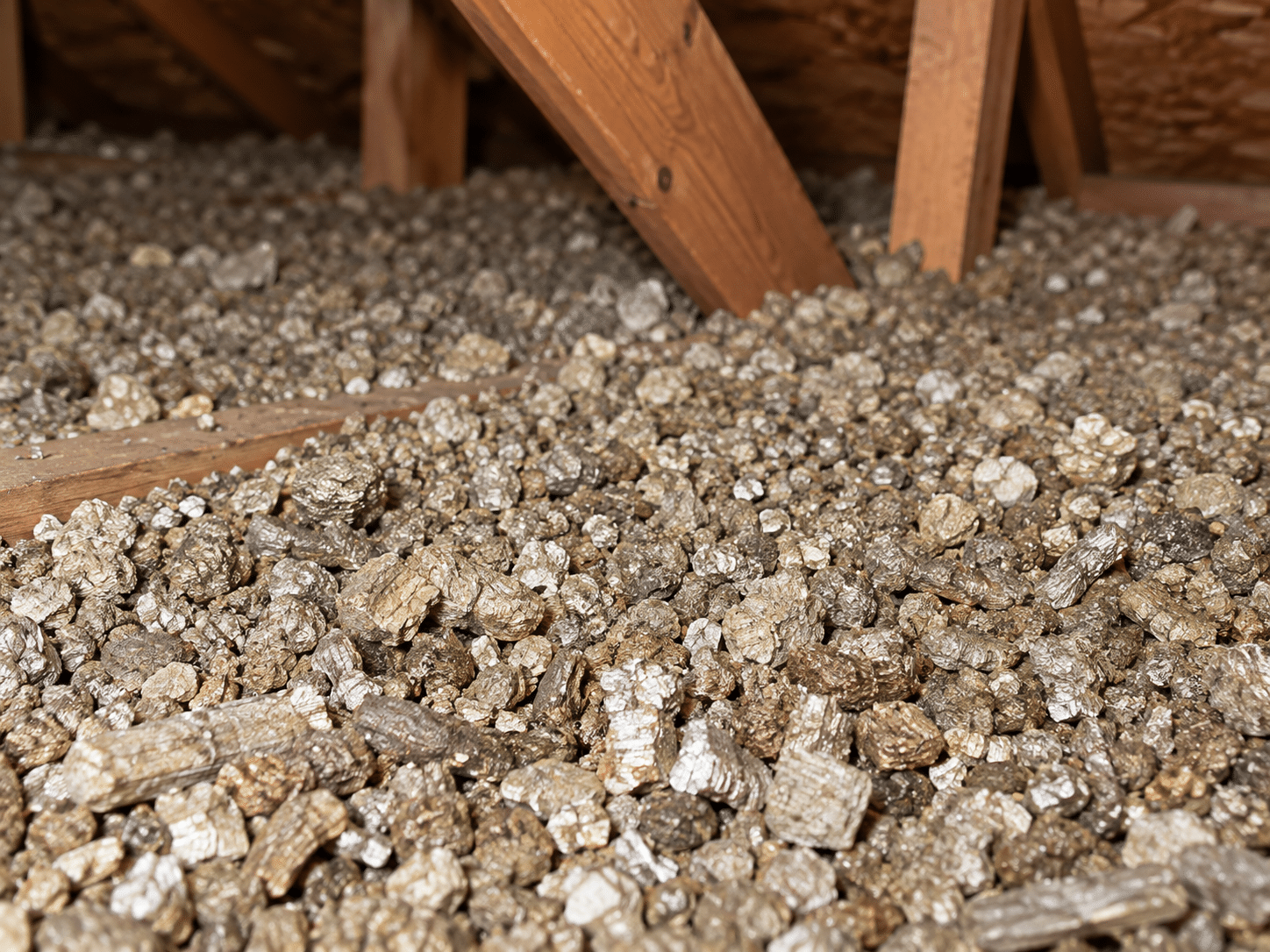
Vermiculite insulation was often used in homes built before 1990. Some vermiculite insulation may contain asbestos, which can pose serious health risks if disturbed. If you suspect your attic contains vermiculite, do not disturb it. Have a qualified asbestos professional evaluate the material before insulation work begins. If removal is necessary, it must be handled by properly qualified professionals following applicable regulations. This specialized work can significantly increase attic insulation costs.
Rodent Damage and Insulation
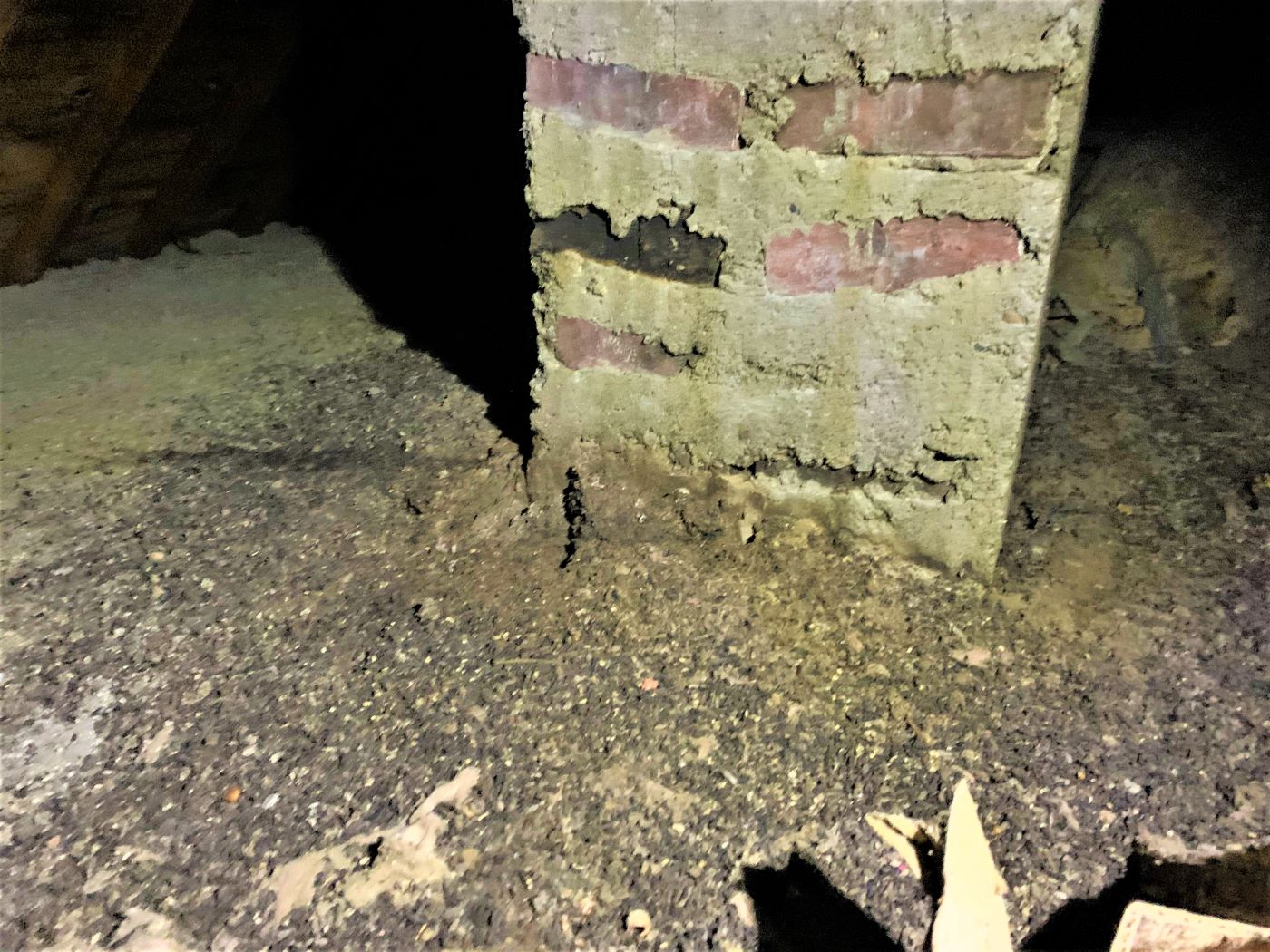
Mice, squirrels, and other rodents can cause big problems in your attic. They chew insulation, leave droppings, and build nests. This can make your insulation less effective and create potential health risks when contaminated materials or dust are disturbed. Before adding new insulation, contaminated materials may need to be professionally removed and the affected areas cleaned. It’s also important to seal openings where rodents could enter to help prevent future infestations.
Wet Insulation from Ice Dams
Ice dams form when snow on a roof melts and refreezes near colder roof edges, creating a barrier that can trap water. This water can leak into your attic and soak the insulation. Wet insulation can lose effectiveness and contribute to mold growth. Damaged insulation may need to be removed and replaced after the moisture problem has been addressed. Proper attic air sealing and insulation can help reduce heat loss that contributes to ice dams. Ventilation improvements may also be necessary.

Other Factors That Affect Attic Insulation Cost
- Types of Insulation: Spray foam insulation generally costs more than traditional materials but can provide insulation and air sealing when properly installed. Fiberglass, cellulose, and rigid foam boards are other options. The appropriate material depends on the home’s needs and installation requirements.
- Size of the Attic: Larger attics require more materials and labor, which can increase the overall project cost.
- How Easy It Is to Access the Space: Attics with unusual shapes, multiple levels, pipes, wiring, or other obstacles can be more difficult to insulate. Limited access may increase labor costs and affect the installation process.
- Attic Air Sealing and Ventilation: Sealing gaps and air leaks helps improve energy efficiency. Proper attic ventilation is also important for managing moisture and maintaining a healthy attic environment. These improvements may increase upfront costs but can contribute to better long-term performance.

How Much Does Attic Insulation Cost in Minnesota and Wisconsin?
Attic insulation projects can range from $5,000 to $20,000, depending on the size and condition of the attic, existing insulation, and the work required. At Lindus Construction, insulation and vapor barrier projects can range from $1,000 to $25,000, with many projects involving additional insulation costing approximately $8,000.
Every home is different. The type and condition of existing insulation, previous insulation work, moisture damage, air leaks, and the need to remove old materials can all affect the final cost. Homes requiring extensive preparation or specialized work may have higher insulation installation costs.

What Should an Attic Insulation Estimate Include?
When comparing attic insulation estimates, ask for a detailed explanation of the work being recommended. A thorough estimate should identify the insulation materials, areas being insulated, and any necessary preparation or additional improvements.
- The type of insulation being installed and the recommended R-value
- Removal and disposal of existing insulation, if necessary
- Attic air sealing and vapor barrier work, when appropriate
- Ventilation improvements, if needed
- Any existing moisture damage or other conditions that must be addressed before installation
- A clear breakdown of the project scope and total estimated cost
Because insulation needs vary from home to home, a professional evaluation is the best way to understand which improvements are necessary and what your specific project may cost. A detailed estimate also makes it easier to compare contractors and understand exactly what is included.

Why Proper Insulation Is Worth It
Old or damaged insulation can contribute to high energy bills, uneven indoor temperatures, and moisture-related problems. Conditions such as vermiculite insulation, rodent damage, or wet insulation should be evaluated before additional insulation is installed. Addressing these issues and improving attic insulation can help make your home more comfortable and energy-efficient.
Lindus Construction helps Minnesota and Wisconsin homeowners identify insulation concerns and improve home energy efficiency. Depending on the project, our craftsmen can address damaged insulation, seal air leaks, and install high-quality insulation materials. Our qualifying installation work is backed by our Lifetime Workmanship Guarantee.
Wondering what attic insulation improvements might cost for your home? Schedule a free, no-obligation insulation estimate with Lindus Construction to learn more about your options.


