

Home Improvement Warranties: Which Are Worth It and What to Avoid
A new roof, replacement windows, exterior doors, or gutters can be a significant investment. The warranty that comes with that project can be just as important as the product itself.
The problem is that “lifetime warranty” does not always mean lifetime protection without additional costs. Coverage can vary considerably between manufacturers and contractors. Some warranties include materials and labor for decades, while others become prorated, exclude labor, or contain requirements that can leave homeowners responsible for much of the repair cost.
Before signing a home improvement contract, homeowners should understand what the warranty covers, how long the coverage lasts, who is responsible for labor, and who will actually be there to honor it years from now.
Here are some of the biggest differences to look for.

What Makes a Good Roofing Warranty?
A strong roofing warranty should provide meaningful protection for both the roofing materials and the workmanship required to install them.
Enhanced manufacturer warranties can provide considerably more protection than the basic warranty included with a bundle of shingles. Depending on the roofing system and warranty selected, this can include non-prorated coverage for both materials and labor for decades.
Basic shingle warranties may advertise coverage lasting 30, 40, or even 50 years, but the length printed on the warranty should not be the only thing a homeowner considers. Some warranties become prorated over time or primarily cover replacement materials, leaving the homeowner responsible for labor and other costs.
Why Roofing Workmanship Coverage Matters
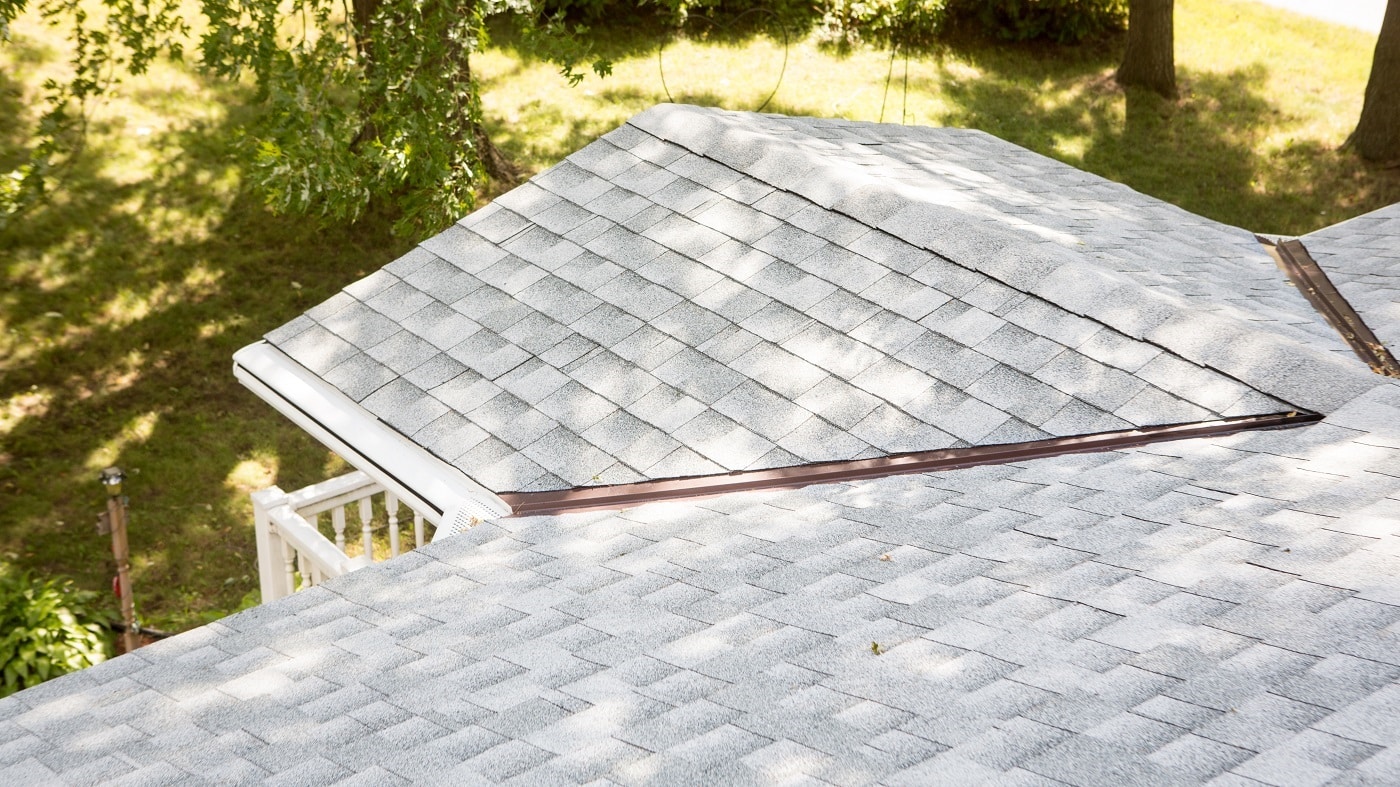
A roofing system is only as reliable as its installation.
Flashing, ventilation, underlayment, roof deck preparation, fastener placement, and numerous other installation details can affect how the roof performs. A manufacturer warranty may offer little help if the problem was caused by improper installation and the contractor’s workmanship coverage has already expired.
Before choosing a roofing contractor, ask:
- Does the warranty cover both materials and labor?
- Is the coverage prorated?
- How long is the contractor’s workmanship covered?
- Does the warranty cover the complete system or only the roofing shingles?
- Who handles the claim if there is a problem?
Lindus Construction offers the GAF Golden Pledge® Limited Warranty on qualifying asphalt roofing systems. This enhanced warranty provides 50 years of non-prorated coverage on both labor and materials, giving homeowners substantially stronger protection than a basic shingle warranty.

What Should an Exterior Door Warranty Include?
Exterior door warranties should address the entire door system, not simply the slab. Depending on the product, homeowners should review coverage for the door structure, factory finish, glass, weatherstripping, hardware, and other components.
The finish can be particularly important because some warranties include maintenance requirements that may affect coverage. Warranty terms can also vary based on how the door is finished, where it is installed, and how much exposure the entrance receives.
Warranty coverage is only one part of choosing the right exterior door. Homeowners should also compare material, style, glass, energy efficiency, security features, and overall maintenance requirements. A front door selection guide can help narrow those choices, especially when deciding between options like fiberglass and steel front doors.

Are Gutter Warranties Worth It?
A gutter warranty is most valuable when it protects the performance homeowners purchased the system to provide.
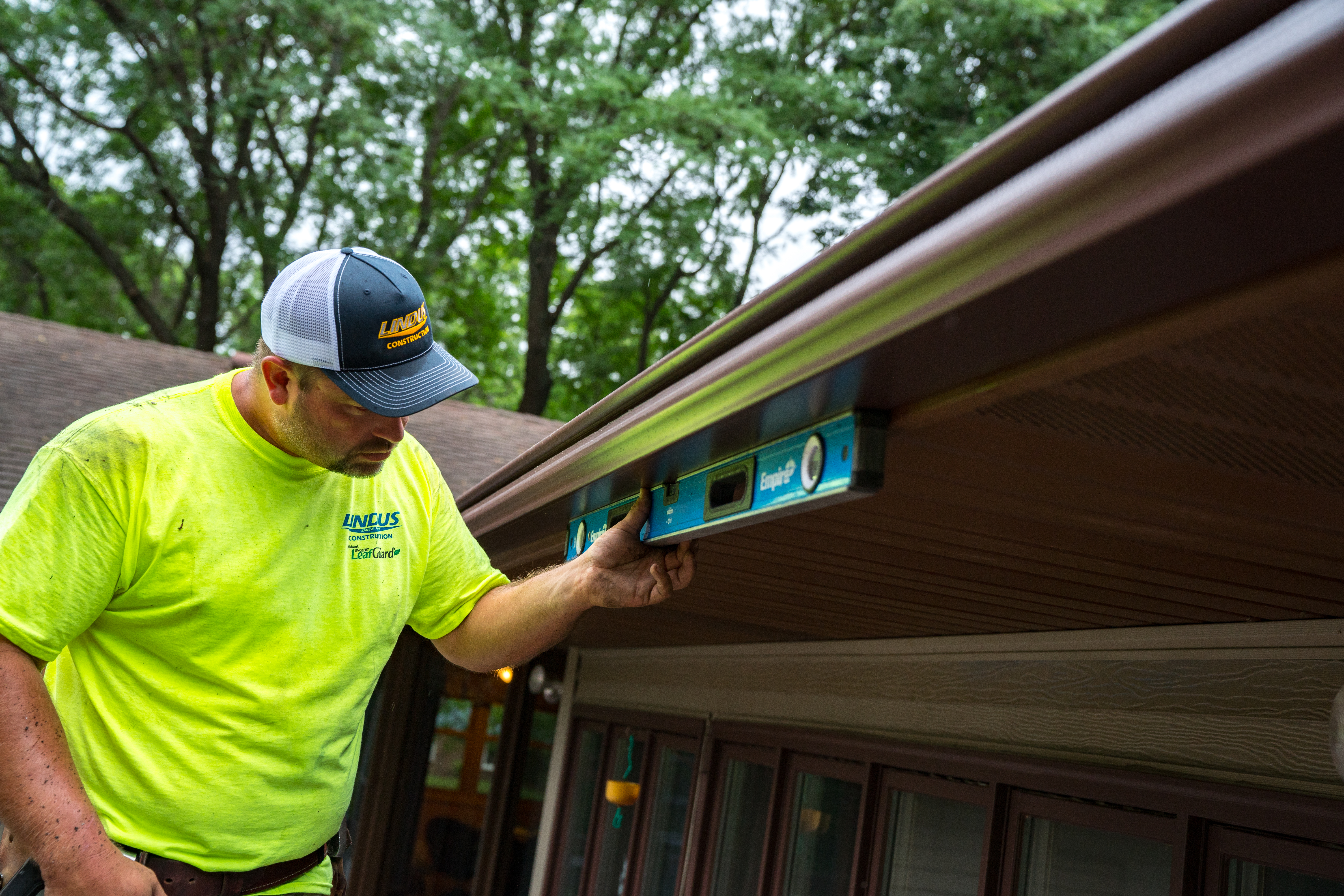
When comparing gutter guards, covers, and toppers, it’s important to understand exactly what the warranty covers. Some warranties primarily protect the screen, mesh, or cover installed over an existing gutter. That does not necessarily mean the entire gutter system or its performance is covered.
LeafGuard® Brand Gutters are manufactured as a one-piece, seamless gutter system rather than a separate cover added to existing gutters. In addition to the durability of the LeafGuard® gutter system, the warranty provides protection against certain manufacturing-related finish and structural defects.
LeafGuard® Brand Gutters are also designed to remain clog-free. If the system becomes clogged, the installing dealer is responsible for providing a resolution.
The Lifetime Limited Warranty lasts for as long as the original property owner owns the home. The warranty can also be transferred to a subsequent homeowner.
When comparing gutter warranties, don’t stop at the word “lifetime.” Ask what components are covered, whether performance is addressed, who is responsible if there is a problem, and whether the warranty can transfer to a future homeowner.
What Does “Lifetime Warranty” Really Mean?
The words “lifetime warranty” should be the beginning of the conversation, not the end of it.
Homeowners should ask whose lifetime the warranty refers to, whether coverage decreases over time, whether labor is included, whether the warranty transfers to another owner, and what exclusions can void the coverage.
Two products can both advertise lifetime warranties while offering substantially different levels of protection.
The actual written warranty matters more than the headline on the brochure.

Why the Contractor Behind the Warranty Matters
Even an excellent warranty has limited value if there is nobody around to honor it.
Home improvement warranties can last decades, which makes the financial stability and longevity of the contractor an important part of the decision.
Lindus Construction has been family-owned and operated since 1979. Over the years, our craftsmen have returned to assist customers with projects and warranty needs long after the original installation.
That history matters because homeowners should be able to expect their contractor to answer the phone not only when a project is being sold, but years later if a problem develops.

Questions to Ask Before Accepting Any Home Improvement Warranty
- What exactly is covered?
- Are both materials and labor included?
- Does the coverage become prorated over time?
- How long does the contractor guarantee its workmanship?
- What maintenance is required to keep the warranty valid?
- Is the warranty transferable if I sell my home?
- What exclusions could cause a claim to be denied?
- Who do I contact if I need warranty service?
- How long has the contractor been in business?
- Can I see the complete written warranty before I sign?

A Good Warranty Should Provide More Than a Long Number
A 30-year, 50-year, or lifetime warranty can sound impressive, but the quality of the coverage matters more than the number of years printed on it.
Homeowners comparing roofing, windows, doors, or gutter systems should look closely at material coverage, labor coverage, prorating, exclusions, transferability, and the company responsible for standing behind the work.
Taking a few extra minutes to understand those details before signing a contract can prevent expensive surprises years later.
Considering a home improvement project in Minnesota or Wisconsin? Contact Lindus Construction to schedule a complimentary estimate and learn more about the products, installation standards, and warranty options available for your home.

Home Improvement Warranty FAQs
Is a lifetime home improvement warranty always better?
No. A lifetime warranty may still contain exclusions, prorated coverage, labor charges, or maintenance requirements. Homeowners should compare the actual written coverage rather than relying on the word “lifetime.”
What is a non-prorated roofing warranty?
A non-prorated warranty maintains the covered value for the specified coverage period rather than reducing what the manufacturer will pay as the roof ages.
Should a roofing warranty cover labor?
Strong roofing warranty protection should address labor as well as materials. Replacing shingles under warranty can still be expensive if the homeowner is responsible for removal and installation labor.
Can home improvement warranties transfer to a new homeowner?
Some can, but transfer rules vary by manufacturer and product. Homeowners should verify transferability and any required paperwork before purchasing.


